What is acupuncture?
Acupuncture (针灸, zhēnjiǔ) is one of the core therapies of Traditional Chinese Medicine. Very fine, sterile, single-use needles are inserted at specific points on the body, chosen according to your assessment.
Research into acupuncture is ongoing. For some conditions there's reasonable evidence it can help; for others the evidence is limited or mixed. We'll be straight with you about where your concern sits.
What happens in a session
- A chat about your health, history, medications and goals.
- A traditional assessment, which may include looking at your tongue and feeling your pulse.
- Needles are placed and usually left for a period while you rest.
- Other techniques may be suggested where they fit — see the list below — always explained first, and only with your consent.
Most people feel a brief prick, a dull ache or a tingling sensation. Let us know if anything feels uncomfortable.
Techniques used within sessions
Alongside needling, these may be used as part of your session when they suit what's going on for you. Each one is explained before it's used, and nothing happens without your consent.
- Acupuncture (针灸) — Fine, single-use sterile needles placed at selected points.
- Electro-acupuncture (电针) — A mild electrical pulse passed through a few needles to vary the stimulation.
- Moxibustion (艾灸) — Gentle warmth from dried mugwort, held near the skin or on a needle handle.
- Cupping (拔罐) — Cups placed on the skin with light suction, usually for muscular tightness.
- Tuina (推拿) — Rhythmic massage and acupressure along the body's channels.
- Acubowen — Bowen-style moves over muscles and connective tissue, worked on acupuncture points, with short rests between them.
Safety
Needles are sterile and used once only. Mild bruising or soreness at a needle site can occur, and cupping or gua sha can leave temporary marks on the skin that fade over a few days. Please tell us if you're pregnant, have a bleeding disorder, take blood thinners, have a pacemaker or have any condition affecting your immune system.
Acupuncture is not a substitute for medical care. If you have new, severe or worsening symptoms, see your GP first.
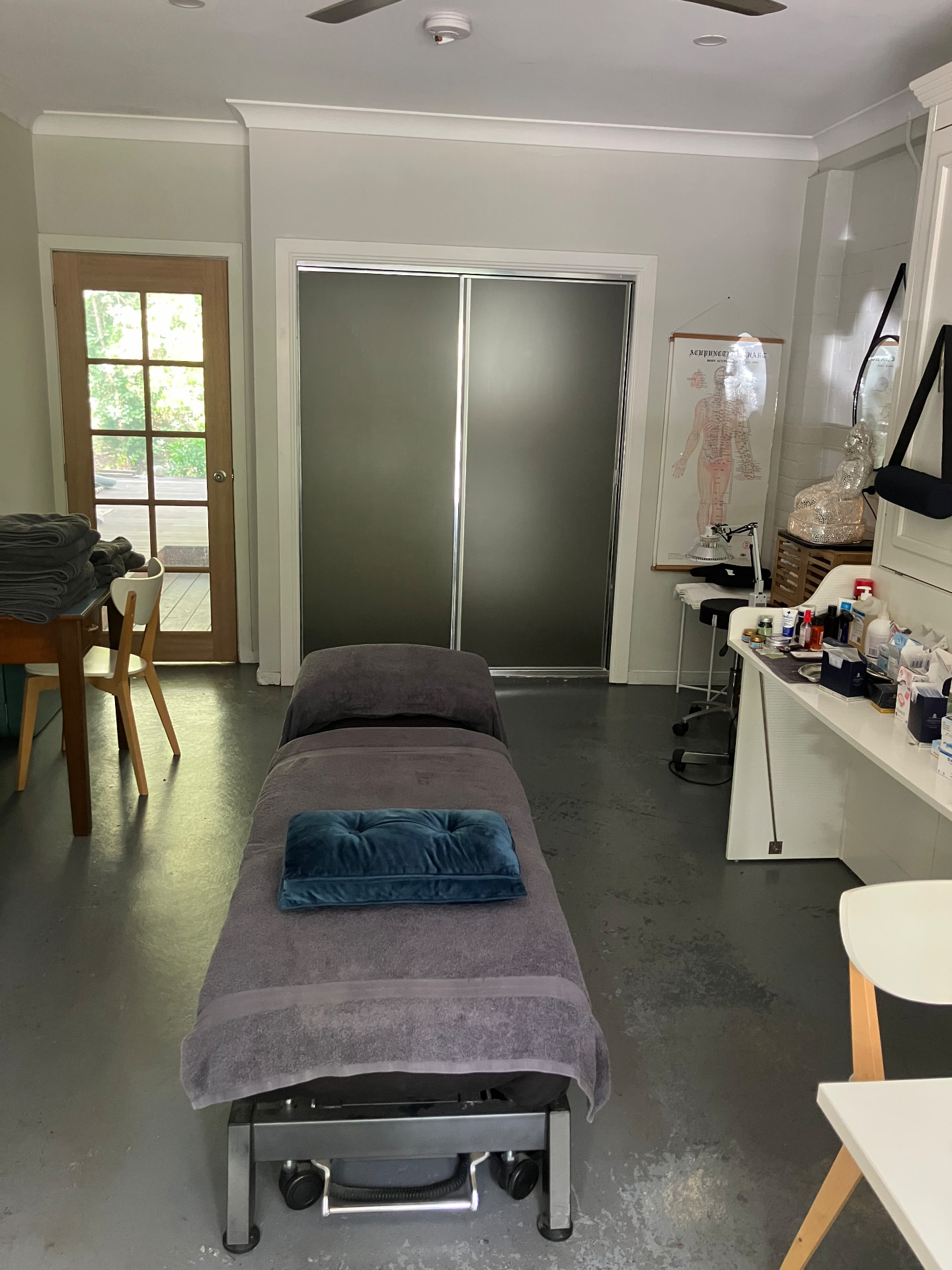
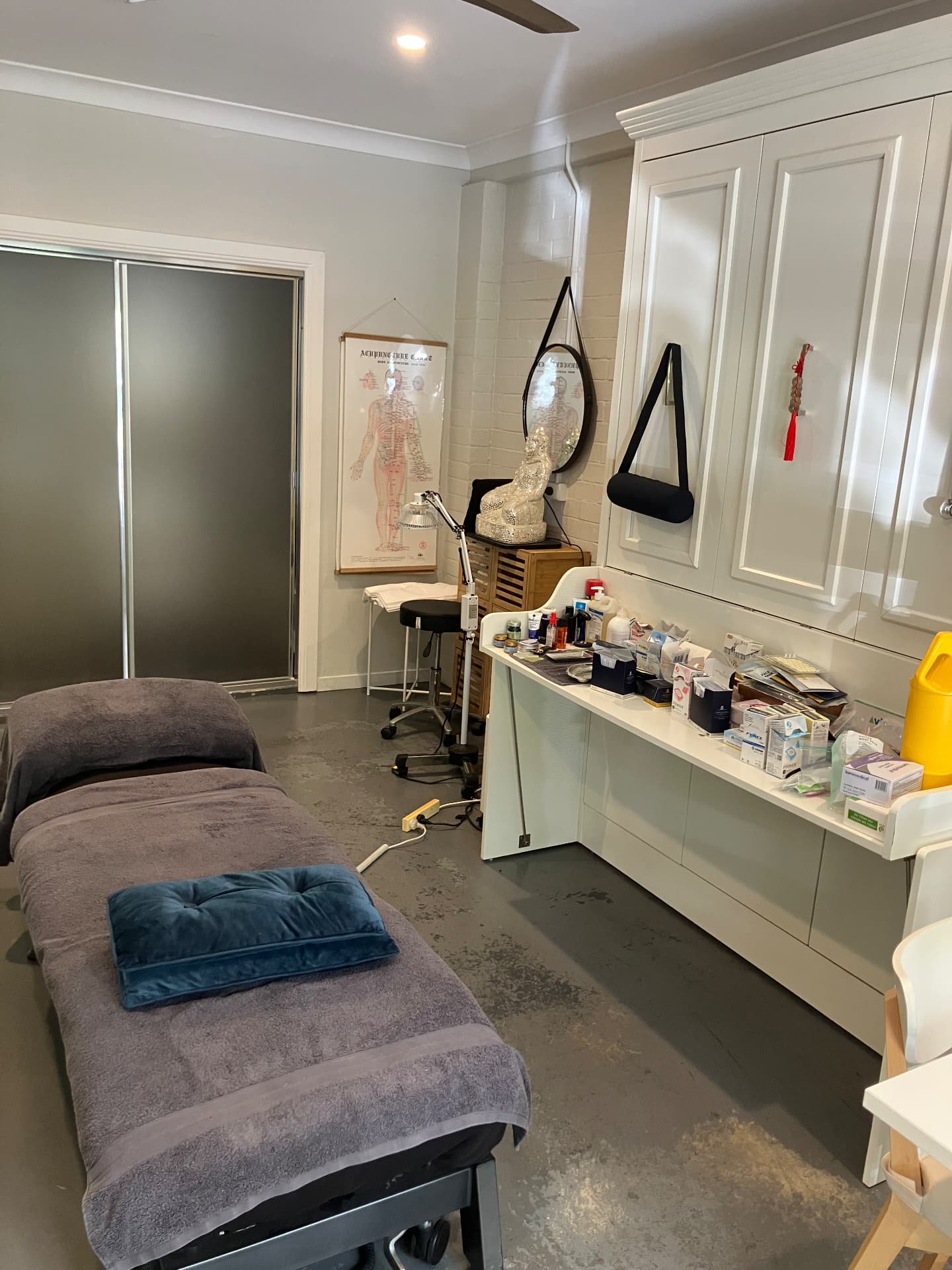
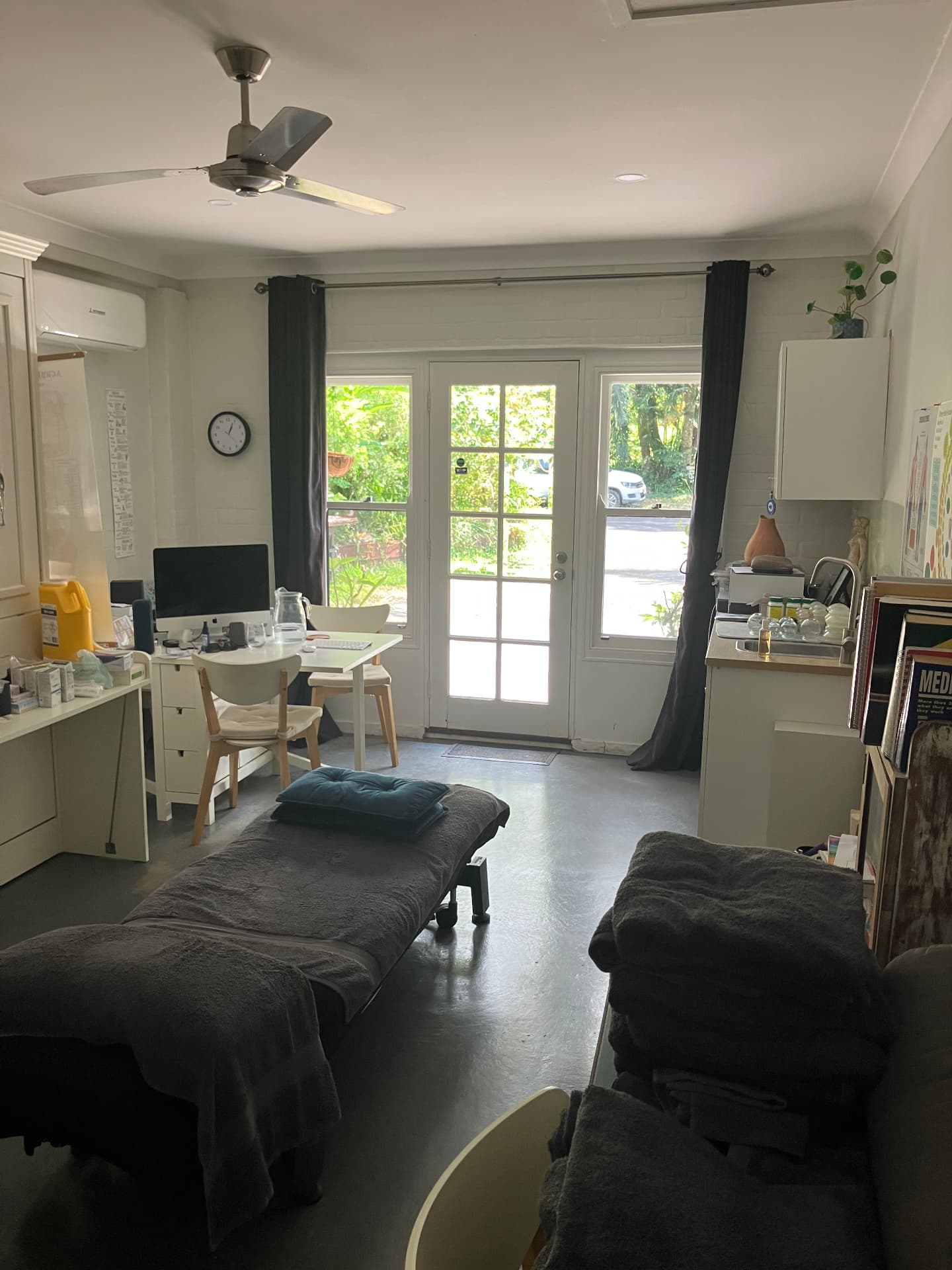
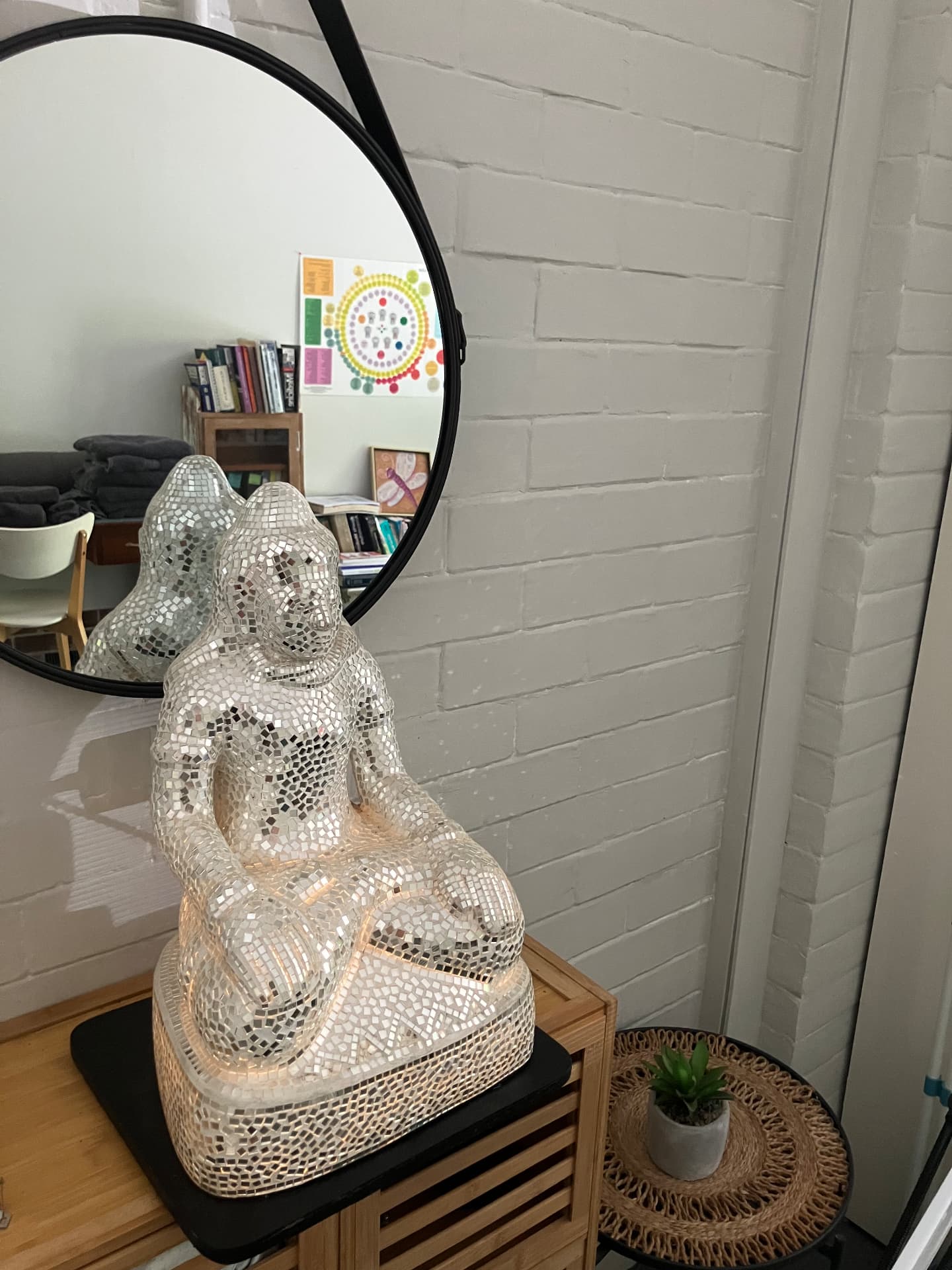
Inside the clinic
Ready to talk it through?
Book online or give us a call to ask whether acupuncture is a sensible option for you.